![[H]ard|Forum](/styles/hardforum/xenforo/logo_dark.png)
slaphappypappy
n00b
- Joined
- Jan 4, 2025
- Messages
- 2
Yesterday, I made a post arguing that plasma TVs outperform newer panel technologies in terms of color production. KazeoHin brought up a solid point about how pixel structure impacts color production, which got me thinking. While I’ve considered the role of sub-pixel composition—like RGB (QD-OLED, plasma, Mini-LED) versus RGBW (WOLED)—I hadn’t really stopped to think about how the physical layout of the pixels themselves might influence color quality.
After diving into some research, things started to click. One thing that always puzzled me, having owned all these display types, is how Mini-LED comes surprisingly the closest to delivering the rich, impactful colors of plasma. You’d think OLED / QD-OLED would be the closest, given its self-emissive pixel tech, but its not even close.
When you compare them, the pixel layouts of plasma and Mini-LED share a very similar robustness and density that OLED lacks. This structural difference appears to play a big role in why plasma and Mini-LED produce deeper, more impactful oil painting like colors compared to OLED. These pictures speak for themselves.
1) QD-OLED

2) Panasonic Plasma (last gen)
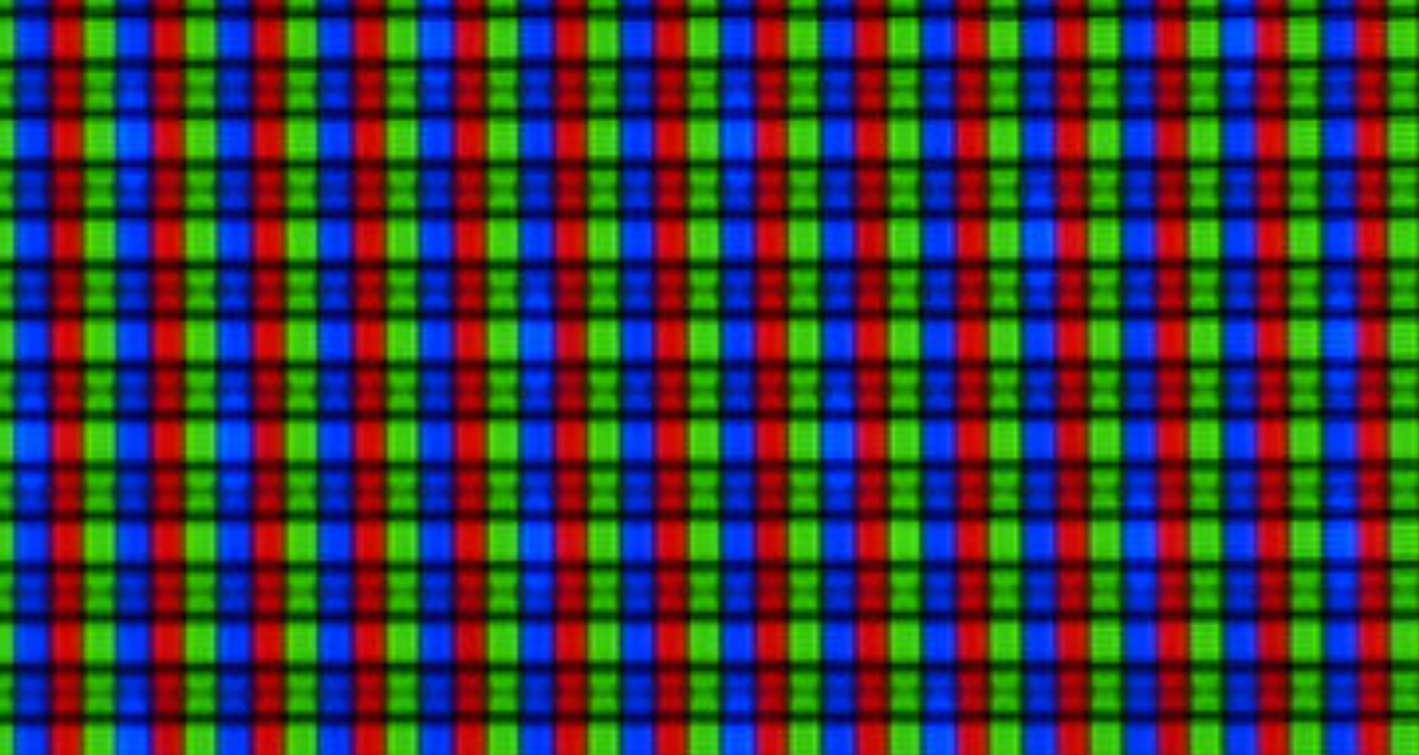
3) LG WOLED

4) Samsung Mini-LED

After diving into some research, things started to click. One thing that always puzzled me, having owned all these display types, is how Mini-LED comes surprisingly the closest to delivering the rich, impactful colors of plasma. You’d think OLED / QD-OLED would be the closest, given its self-emissive pixel tech, but its not even close.
When you compare them, the pixel layouts of plasma and Mini-LED share a very similar robustness and density that OLED lacks. This structural difference appears to play a big role in why plasma and Mini-LED produce deeper, more impactful oil painting like colors compared to OLED. These pictures speak for themselves.
1) QD-OLED
2) Panasonic Plasma (last gen)
3) LG WOLED
4) Samsung Mini-LED